Quality Lift Station Pumps Near Gainesville, GA
When you need a reliable lift station pump to get the job done, call Grumps Pumps & Septic! We provide lift station pump repair and installation throughout Gainesville, GA and the surrounding areas.
Grumps Pumps & Septic has been serving Hall and Forsyth Counties for over 25 years with reliable lift station pump services. If you need a pump, call Grumps!
What is a Lift Station Pump?
Think of a lift station pump as a helping hand for your plumbing. Normally, wastewater flows downhill to your septic tank or the sewer line using gravity, but not every home is built on the right slope for that to happen naturally.
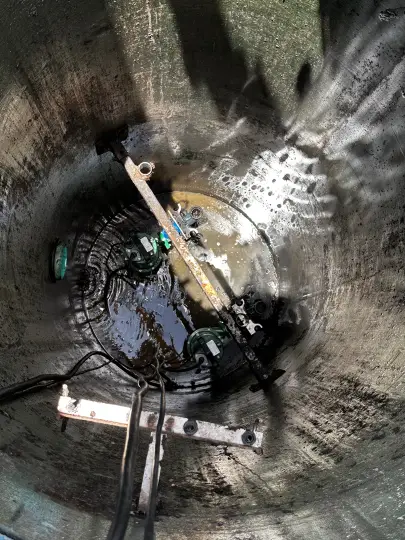
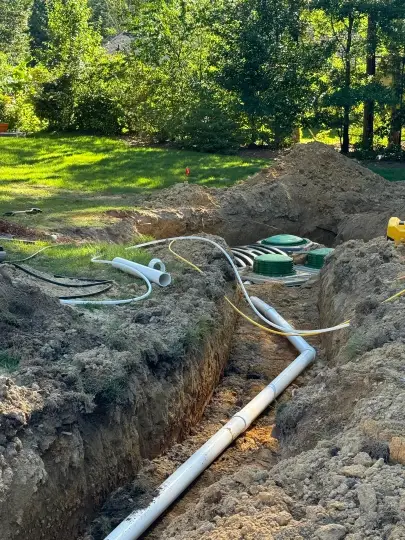
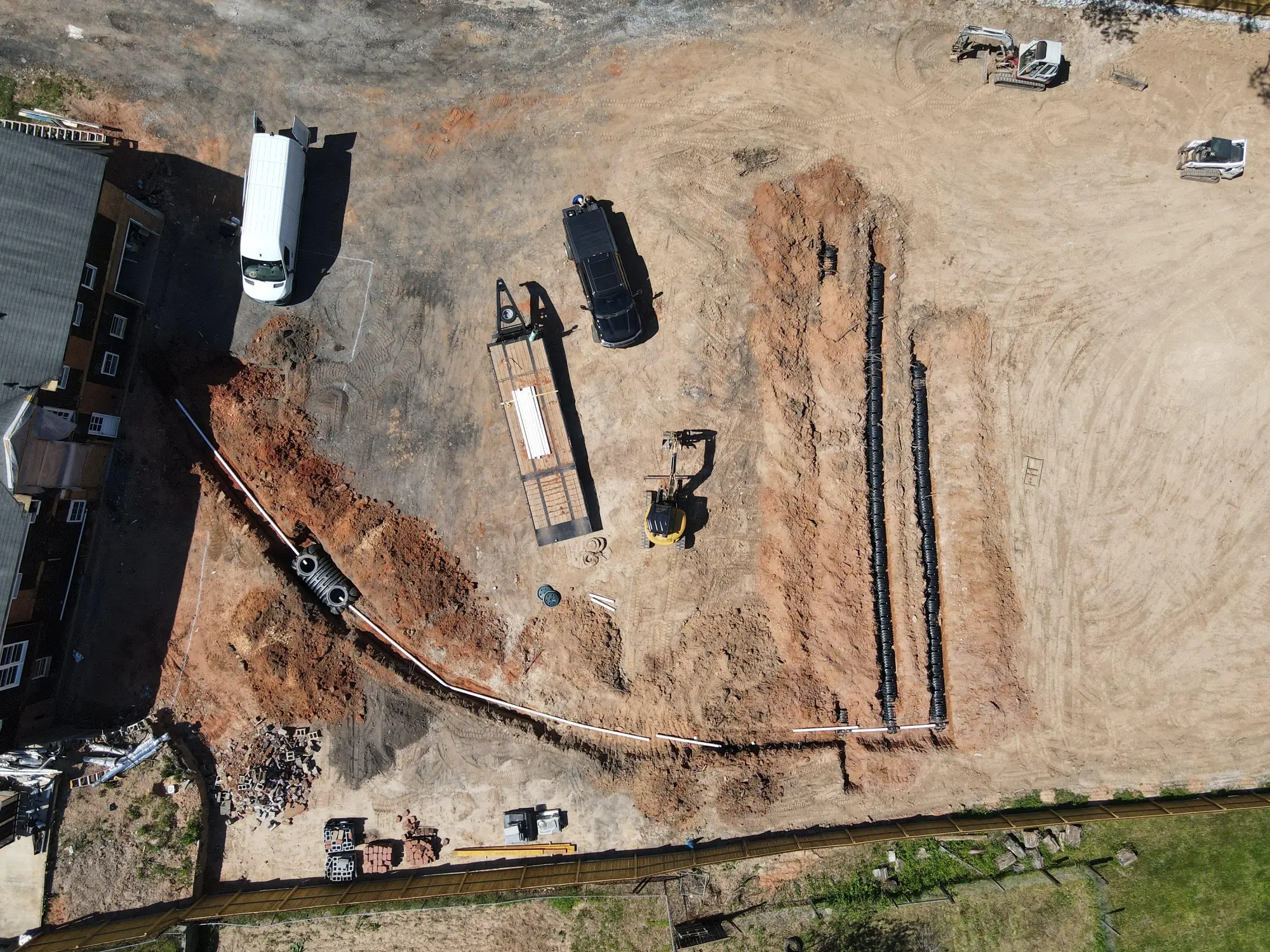
If your house sits on flat ground, in a low spot, or below the level of the pipe it needs to drain into, gravity just can’t get the job done on its own. That’s where the lift station comes in. It’s basically a pump tucked away in an underground tank that collects wastewater and, once it reaches a certain level, kicks on automatically to push that water up and over to where it needs to go.
It’s a small piece of equipment doing a big job, and when it stops working, wastewater has nowhere to go, which is why a pump issue should never wait.
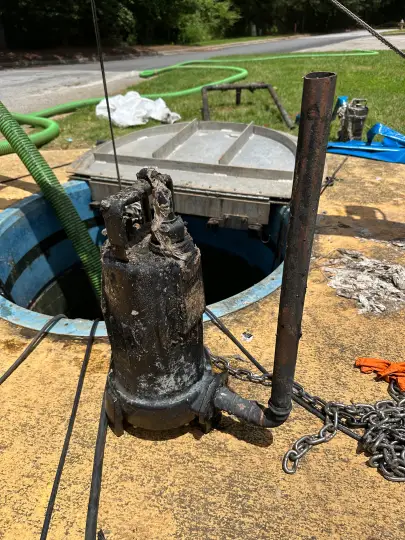
Lift Station Pump Materials
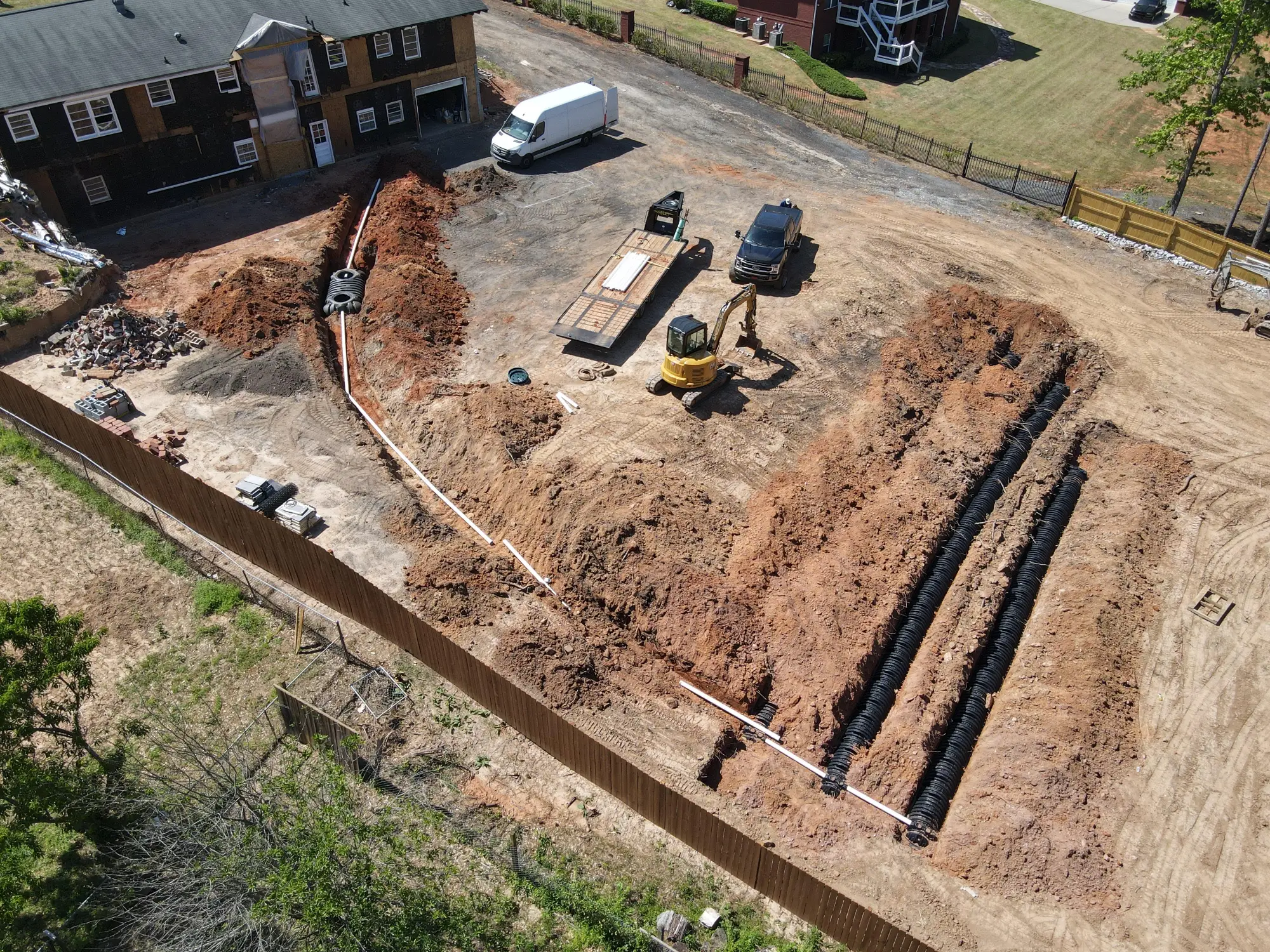
Since a lift station pump spends its life sitting in wastewater, what it’s made of matters a lot more than you might think. Pumps are typically built with cast iron, stainless steel, or heavy-duty plastic housings, and each material handles wear and corrosion a little differently.
Cast iron is tough and holds up well over time; stainless steel resists rust and corrosion especially well; and high-quality plastics offer a lighter, budget-friendly option that still stands up to daily use.
The same goes for the underground basin that holds the pump. It’s usually made from polyethylene, fiberglass, or concrete, each with its own balance of durability and cost. Choosing the right materials up front means fewer surprises later, since a well-built pump and basin can handle years of everyday use without breaking down.
Not sure what you need? Our experts at Grumps Pumps & Spetic can walk you through the options and help you choose what’s right for you!
Lift Station Pump Capacities
Not every home needs the same size pump, and this is where specifications come in. Two numbers matter most: horsepower, which indicates how strong the pump’s motor is, and flow rate, usually measured in gallons per minute, which indicates how much wastewater the pump can move at once.
A smaller home in Gainesville, GA with lower water usage typically does just fine with a smaller pump, while larger households or properties with multiple bathrooms and appliances may need a pump with more muscle. Getting this right matters. A pump that’s too small will constantly struggle to keep up, while an oversized pump may cost more than necessary. Our team can help you figure out exactly what your home needs based on your household size and daily water usage.
Signs Your Lift Station Pump is Failing
Your lift station usually gives you a heads-up before things get messy. If you hear an alarm going off near your septic system, that’s your pump’s way of waving a red flag. Don’t ignore it.
Other warning signs include drains that are slower than usual, gurgling sounds, or backups in your sinks, tubs, or toilets, since these can mean wastewater isn’t being pumped away as it should be. You might also notice an unpleasant sewage odor around your yard or near the lift station itself, or you may spot water pooling in the area even when it hasn’t rained.
Sometimes the pump tells on itself by running nonstop, almost like it can’t catch a break, or by not running at all when it should be. Any one of these signs is worth a call; catching the problem early can save you from a much bigger (and messier) repair down the road. Grumps Pumps can fix these problems, so don’t wait to call for a lift station repair!
About Alarm Systems
Every good lift station comes with a built-in alarm system. Think of it as your early warning system for plumbing trouble. When the water level in the basin starts creeping higher than it should, usually because the pump isn’t keeping up, a sensor detects it and triggers an alarm, often a loud beeping sound paired with a flashing light on a small panel mounted near your home.
This gives you a chance to call for help before wastewater backs up into your house or overflows outside. Some newer systems can even send an alert straight to your phone, so you’ll know there’s a problem even if you’re not standing nearby. It’s a simple feature, but it’s one of the most important parts of the whole system. It’s the difference between catching an issue early and finding a mess on your Gainesville property.

Contact Grumps Pumps for Reliable Lift Station Pumps Near Gainesville, GA
When you need a lift station pump near Gainesville, GA call the local experts: Grumps Pumps & Septic! We can repair and replace your lift station pump to help your home run smoothly. Contact us today to get started with septic services near you!
FAQs
Why does my lift station pump run frequently even when wastewater usage is low?
If your pump seems to run more often than usual, there could be a problem with the float, check valve, controls, or the pump itself. It may also be working harder than it should to move wastewater. Having it checked early can help prevent extra wear, higher energy costs, and unexpected breakdowns.
What happens if a lift station pump is too large or too small for the system?
Yes. A pump that’s too small may not move wastewater fast enough, which can lead to backups or alarms. A pump that’s too large may turn on and off too frequently and wear out faster. The right pump should be matched to the size and needs of your system.
Can a lift station pump still be failing even if the alarm hasn’t gone off?
Yes. The alarm usually warns you when the water level gets too high, but pump problems can start before that happens. Strange noises, frequent running, slow pumping, or recurring clogs can all be early warning signs. Catching these issues early can help you avoid a bigger repair or wastewater backup.