
If you own a home with a septic system, one of the most important maintenance questions is how often to pump septic tank systems before problems develop.
For most homeowners, a septic tank should generally be pumped every 3 to 5 years. However, there isn’t one pumping schedule that works for every property. Household size, tank capacity, water usage, garbage disposal use, and the amount of solids entering the system can all affect how quickly a septic tank needs attention.
For homeowners in Gainesville, GA, and the surrounding Hall County area, regular septic maintenance can help reduce the risk of backups, unpleasant odors, slow drains, and potentially expensive septic system problems.
How Often Should You Pump a Septic Tank?
Most septic tanks should be pumped approximately every 3 to 5 years, but some households may need more frequent service.
The right pumping frequency depends on how quickly sludge and solids accumulate inside the tank.
A household with several people using a relatively small septic tank, for example, may need pumping sooner than a smaller household with a larger tank.
Instead of relying exclusively on the calendar, homeowners should consider both their service history and the condition of the septic system.
If you don’t know when your tank was last pumped, having the system inspected can help establish an appropriate maintenance schedule for your Gainesville home.
Why Does a Septic Tank Need to Be Pumped?
Your septic tank receives wastewater from toilets, sinks, showers, washing machines, and other plumbing fixtures throughout your home.
Inside the tank, wastewater separates into different layers. Solids settle toward the bottom as sludge, while lighter materials can collect toward the top.
The liquid portion of the wastewater eventually moves from the tank into the drain field for further treatment in the soil.
The problem is that not everything that enters the septic tank leaves it.
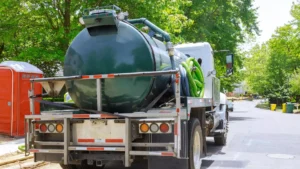
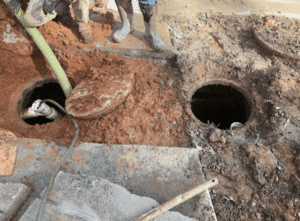
Over time, accumulated solids take up more space inside the tank. Pumping removes those materials so the system can continue operating as intended.
Regular pumping is therefore preventive maintenance, not something homeowners should only consider after sewage starts backing up.
What Determines How Often to Pump a Septic Tank?
The commonly referenced 3-to-5-year range is a useful starting point, but several factors can shorten or lengthen the time between pump-outs.
1. Number of People in Your Household
More people generally means more wastewater and waste entering the septic system.
A Gainesville home occupied by two people may place significantly less demand on its septic system than a similar home occupied by a family of six.
As household size increases, the tank may need to be inspected or pumped more frequently.
2. Size of Your Septic Tank
Tank capacity matters.
A smaller tank serving a busy household can accumulate solids more quickly relative to its available capacity. A larger tank may be able to go longer between pump-outs, depending on how the system is used.
If you don’t know your septic tank’s size, a septic professional can help you better understand the system serving your property.
3. Household Water Usage
Everything from long showers to frequent loads of laundry contributes wastewater to the septic system.
High water usage can put additional demand on the system, particularly when large amounts of water enter it within a short period.
Being mindful of water consumption isn’t only good for your utility bill, it can also be beneficial for your septic system.
4. Garbage Disposal Use
A garbage disposal can send additional organic solids into a septic tank.
Frequently putting food waste through the disposal may increase the amount of material the septic system has to handle.
Homes that rely heavily on a garbage disposal may require closer attention to their septic maintenance schedule.
5. What Goes Down Your Drains
A septic system is designed to handle wastewater and appropriate household waste—not everything that fits down a drain or toilet.
Grease, wipes, hygiene products, and other non-biodegradable materials can contribute to septic problems.
A simple rule for Gainesville homeowners is to be careful about what enters the system in the first place.
Signs Your Septic Tank May Need Attention
Knowing how often to pump septic tank systems is useful, but homeowners should also recognize warning signs that something may already be wrong.
Contact a septic professional if you notice:
- Slow-draining sinks, showers, or tubs
- Gurgling sounds coming from plumbing fixtures
- Sewage or unpleasant odors around the property
- Water or sewage backing up into drains or toilets
- Damp or soggy areas around the drain field
- Unusually green or fast-growing grass near the septic system
- Standing water or persistent puddles near the drain field
These symptoms don’t automatically mean the septic tank needs to be pumped. They can also indicate other problems with the septic system.
That’s why diagnosing the cause is important rather than assuming pumping will solve every septic issue.
What Happens If You Wait Too Long to Pump Your Septic Tank?
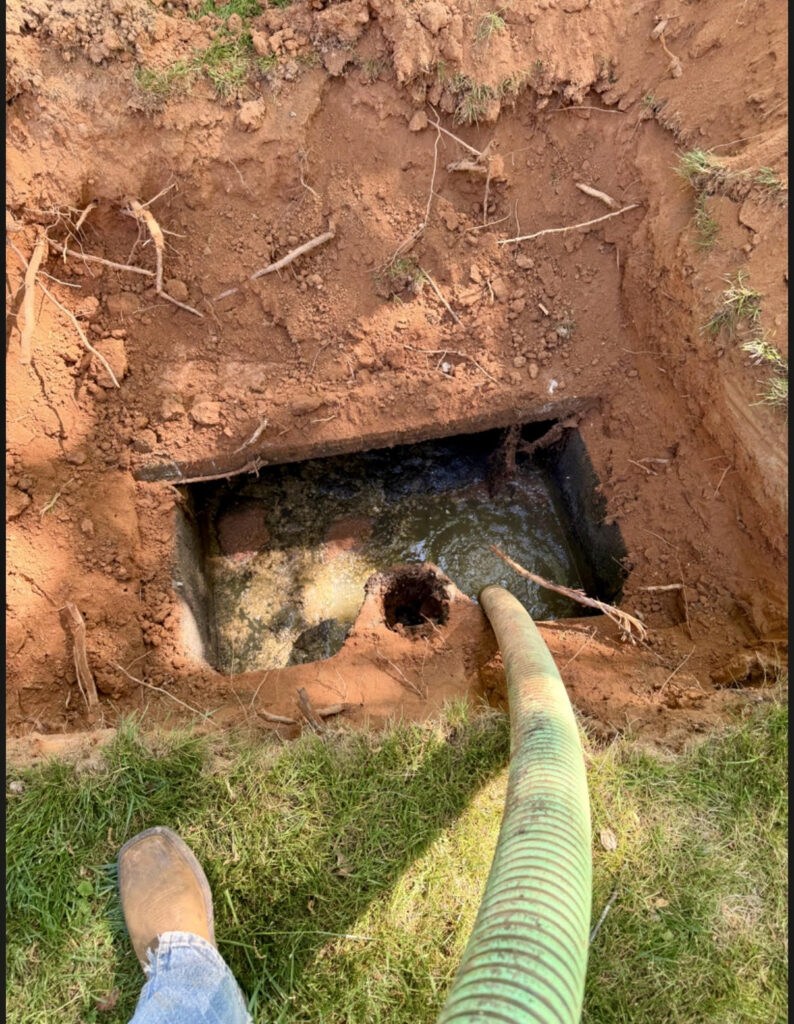
Waiting until your septic system fails is rarely the best maintenance strategy.
As solids accumulate inside the tank, they take up space that the system needs to properly manage wastewater. If too much material accumulates, solids may potentially move farther into the septic system, where problems can become more difficult and expensive to address.
Homeowners may eventually experience symptoms such as slow drains, odors, standing water, or sewage backups.
Regular pumping can’t prevent every possible septic problem, but it can help reduce avoidable issues caused by excessive accumulation inside the tank.
Can You Go Longer Than 5 Years Without Pumping a Septic Tank?
Some septic systems may go longer than five years between pump-outs, but homeowners shouldn’t assume that their system can.
Pumping frequency depends on the specific property.
A lightly used system with adequate tank capacity may accumulate solids more slowly. A heavily used system may need service much sooner.
If your septic tank hasn’t been pumped in more than five years—or you simply don’t know the last time it was serviced—consider having the system inspected rather than waiting for warning signs.
How Often Should a Family of Four Pump a Septic Tank?
There isn’t a universal schedule based solely on family size.
For a family of four, the appropriate pumping frequency will also depend on:
- Septic tank capacity
- Daily water consumption
- Garbage disposal use
- Amount of solids entering the tank
- Previous maintenance history
- Overall system condition
The general 3-to-5-year guideline can provide a starting point, but an inspection can provide much better information about the needs of a particular septic system.
Septic Tank Maintenance Tips for Gainesville Homeowners
Pumping is only one part of maintaining a healthy septic system.
Between service visits, a few everyday habits can help homeowners take better care of their systems.
Be Careful About What You Flush
Toilets aren’t trash cans.
Avoid flushing wipes, paper towels, feminine hygiene products, diapers, and other materials that aren’t intended for septic systems.
Even products marketed as “flushable” will not behave inside your plumbing and septic system the same way toilet paper does.
Keep Grease Out of the Drain
Cooking grease and fats shouldn’t be poured down kitchen drains.
Allow grease to cool and dispose of it appropriately instead.
Use Water Efficiently
Spreading out laundry loads and avoiding unnecessarily high water usage can reduce the amount of wastewater entering your septic system at one time.
Protect Your Drain Field
The drain field is an essential part of your septic system.
Avoid parking vehicles, driving heavy equipment, or placing structures over the drain field. Homeowners should also pay attention to unexpected wet areas or changes in vegetation around it.
Keep Track of Septic Service
Don’t rely on memory.
Keep a record of when your tank was pumped, inspected, repaired, or otherwise serviced. Those records can make it much easier to establish an appropriate maintenance schedule.
Septic Systems in Gainesville and Hall County, GA
Septic systems are an important part of wastewater management for properties throughout Gainesville and the surrounding Hall County area.
Hall County Environmental Health oversees processes related to on-site sewage management systems, including permitting, site evaluations, repair applications, and system performance evaluations.
For homeowners, that makes it especially useful to understand what type of septic system serves the property and to maintain records of previous pumping, inspections, repairs, and installations.
If you’re purchasing a Gainesville-area home with a septic system, it’s also worth learning as much as possible about the system’s age, location, maintenance history, and condition rather than waiting until after moving in to investigate it.
Do You Need to Pump a Septic Tank If Everything Seems Fine?
Yes, potentially.
A septic tank can accumulate solids even when toilets flush normally and drains appear to be working.
That’s what makes preventive septic maintenance different from emergency septic repair.
You don’t necessarily want the first indication that your tank needs attention to be sewage backing up into your Gainesville home.
If several years have passed since the previous pump-out, or you’re unsure of the tank’s maintenance history, a professional evaluation can help determine whether service is appropriate.
Is Septic Tank Pumping the Same as Septic Tank Cleaning?
The terms are sometimes used interchangeably, but homeowners should focus on whether accumulated sludge and solids are being properly removed from the tank.
At Grumps Pumps & Septic, septic tank cleaning and pumping are part of maintaining septic systems and helping homeowners address accumulated materials before they contribute to larger problems.
If you’re uncertain about what your system actually needs, the better approach is to have its condition inspected rather than requesting a service based solely on terminology.
When Should You Call a Septic Professional?
You should consider professional septic service when:
- You don’t know when the septic tank was last pumped.
- Several years have passed since the previous service.
- Multiple drains are moving slowly.
- You notice gurgling sounds in your plumbing.
- Sewage odors are present inside or outside the home.
- There are wet or unusually green areas near the drain field.
- Wastewater or sewage is backing up.
- You want to establish a preventive maintenance schedule.
If sewage is actively backing up into your home or wastewater is surfacing outside, don’t wait for your regular maintenance date. The system should be evaluated promptly.

Septic Tank Service in Gainesville, GA
Knowing how often to pump septic tank systems is a good first step. Knowing what’s happening inside your septic system is even more valuable.
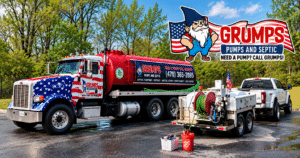
Grumps Pumps & Septic has served homeowners and businesses for more than 25 years and provides septic pumping, cleaning, repair, installation, maintenance, inspections, and emergency septic services in Gainesville, GA, and surrounding communities.
During septic service, the Grumps team can inspect tank levels and help identify issues that may require attention.
If you’re approaching your regular pumping interval, don’t know when your tank was last serviced, or are already noticing warning signs, explore our septic tank services in Gainesville, GA to determine the next step for your system.
Need a Pump? Call Grumps!
Schedule an appointment or call 470-365-2095.
Frequently Asked Questions About Septic Tank Pumping
How often should a septic tank be pumped in Georgia?
A common guideline is to have a septic tank pumped approximately every 3 to 5 years, but the appropriate frequency depends on household size, tank capacity, water usage, waste generation, and the condition of the system.
How do I know when my septic tank needs pumping?
Warning signs can include slow drains, plumbing gurgles, unpleasant odors, sewage backups, standing water, or unusually wet or green areas around the drain field. However, homeowners shouldn’t wait for symptoms before considering routine pumping.
What happens if you don’t pump a septic tank?
Solids continue accumulating inside the tank. Excessive accumulation can reduce the tank’s effective capacity and increase the possibility of solids moving farther into the septic system, potentially contributing to system problems.
Is every 3 years too often to pump a septic tank?
Not necessarily. Some households may need pumping every three years or even sooner, depending on tank size, household size, water usage, and waste generation. Other systems may be able to go longer.
Can a septic tank go 10 years without pumping?
A homeowner shouldn’t assume a septic tank can safely go 10 years without pumping simply because there haven’t been obvious problems. If your system hasn’t been serviced for many years, having its condition evaluated is a better approach than waiting for a backup or other failure.
Does using a garbage disposal affect septic tank pumping frequency?
It can. Garbage disposals introduce additional food solids into the wastewater stream, which can increase the amount of material entering a septic tank. Frequent disposal use may affect how quickly maintenance becomes necessary.
Who provides septic tank service in Gainesville, GA?
Grumps Pumps & Septic provides septic pumping, cleaning, maintenance, repair, installation, inspections, and emergency septic services for homeowners and businesses in Gainesville and surrounding North Georgia communities.
Should I pump my septic tank before it backs up?
Yes. Septic pumping is intended to be part of preventive maintenance. Waiting for sewage backups, odors, or drainage problems can mean you’re addressing a problem rather than simply maintaining the system.