
If you’ve never scheduled a septic tank pump out, you may be wondering what actually happens when the septic truck arrives at your home. How long will it take? Do you need to prepare anything? What exactly gets removed from the tank?
A septic tank pump out removes accumulated wastewater, sludge, scum, and solids from your septic tank so the system can continue functioning properly. For homeowners in Gainesville, GA and the surrounding Hall County area, understanding the process can make routine septic maintenance much easier and help you recognize when your system may need professional attention.
At Grumps Pumps & Septic, our team provides professional septic tank services in Gainesville, GA, including pumping, cleaning, inspections, maintenance, repairs, and emergency septic services.
What Is a Septic Tank Pump Out?
A septic tank pump out is the process of removing the contents that have accumulated inside a septic tank.
Wastewater from your toilets, showers, sinks, washing machine, and other household plumbing enters the septic tank. Inside, the contents separate into layers. Heavier solids settle toward the bottom of the tank as sludge, while lighter materials form a layer toward the top.
Although wastewater continues moving through the septic system, accumulated solids remain inside the tank. Eventually, those materials need to be professionally removed.
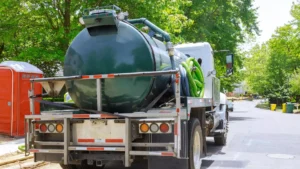
During a pump out, a septic professional accesses the tank and uses specialized equipment to remove its contents.
This is an important distinction: septic pumping is preventive maintenance, not just something to schedule after a problem develops.
What Happens During a Septic Tank Pump Out?
Every property and septic system can be different, but homeowners can generally expect several steps during a professional pump out.
1. Locating and Accessing the Septic Tank
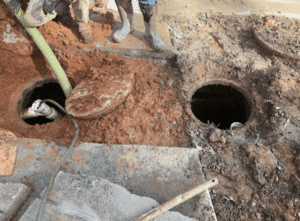
Before pumping can begin, the technician needs access to the septic tank.
If you already know where your tank and access lids are located, providing that information can make the process easier. If you’re unsure, the septic professional may need to locate the tank before beginning service.
The area surrounding the tank should remain accessible so the technician can safely perform the work.
2. Inspecting the Septic Tank
A pump out isn’t only about removing what’s inside the tank. It’s also an opportunity to observe the system and look for potential concerns.
At Grumps, our septic service process can include inspecting tank levels and evaluating the system for conditions that may require additional attention.
If something doesn’t appear to be operating as expected, identifying it during routine service can give the homeowner an opportunity to address the issue before it becomes a larger problem.
Learn more about our septic tank maintenance services.
3. Pumping Out the Septic Tank
Once the tank is accessible, pumping equipment is used to remove the accumulated contents.
This includes the liquid wastewater along with sludge, scum, and other accumulated solids inside the tank.
Removing these materials creates room inside the tank and helps prevent excessive solids from accumulating within the system.
4. Checking the System After Pumping
After the septic tank pump out, the technician can inspect accessible components and identify visible conditions that may warrant attention.
Pumping won’t repair every septic problem. If the system has damaged components, drainage problems, or another underlying issue, additional septic service may be necessary.
That’s one reason professional inspection and pumping work well together: the goal isn’t simply to empty the tank, but to better understand the condition of the system.
What Gets Removed During a Septic Tank Pump Out?
A septic tank contains much more than water.
Over time, different types of material accumulate inside, including:
- Wastewater
- Sludge
- Scum
- Organic solids
- Other waste materials that enter the system
The solids that remain behind are one of the primary reasons septic tanks need periodic pumping.
Without regular maintenance, accumulated material takes up more of the tank’s available capacity. Eventually, excessive solids can contribute to problems elsewhere in the septic system.
How Long Does a Septic Tank Pump Out Take?
There isn’t one exact amount of time for every property.
The length of a septic tank pump out can depend on factors such as:
- Septic tank size
- Amount of accumulated material
- Accessibility of the tank
- Whether the access lids are already exposed
- Condition of the septic system
- Whether potential problems are discovered during service
A straightforward pump out on an easily accessible system may be completed relatively quickly, while a tank that’s difficult to locate or access can require additional time.
When scheduling your service, tell the septic company anything you already know about your system. Previous maintenance records can also be useful.
How Should You Prepare for a Septic Tank Pump Out?
You don’t need to become a septic expert before the truck arrives, but a little preparation can make the appointment easier.
Know Where Your Septic Tank Is Located
If you know where your tank and access points are located, let the technician know.
Don’t worry if you aren’t sure. Many homeowners don’t know the exact location of their septic tank, especially if they recently purchased the property.
Make the Area Accessible
Move vehicles, trailers, outdoor furniture, or other obstacles that could interfere with access to the septic system.
The service truck and equipment need to reach an appropriate location to complete the work safely.
Share Your Septic System History
If you have records showing when the tank was last pumped, inspected, repaired, or installed, keep them available.
Maintenance history can provide useful context about the system.
Tell the Technician About Problems You’ve Noticed
Don’t wait until after pumping to mention that the toilets have been gurgling for two weeks.
Tell the technician if you’ve noticed:
- Slow drains
- Sewage odors
- Plumbing gurgles
- Standing water
- Unusually wet areas around the drain field
- Sewage backups
- Changes in how your plumbing drains
These symptoms may point to something beyond normal tank maintenance.
How Do You Know If You Need a Septic Tank Pump Out?
Ideally, you shouldn’t wait for obvious symptoms before maintaining your septic tank.
However, certain warning signs can indicate that your septic system needs professional attention.
Slow Drains Throughout the House
One slow sink doesn’t necessarily indicate a septic problem. However, multiple fixtures draining slowly can warrant further investigation.
Gurgling Plumbing
Unusual gurgling sounds from toilets or drains may indicate that wastewater isn’t moving through the system normally.
Sewage Odors
Persistent sewage odors inside your home or around the septic system shouldn’t be ignored.
Wet or Unusually Green Areas
Unexpected standing water, soggy soil, or unusually green vegetation around the septic or drain-field area can indicate a system problem.
Sewage Backups
Wastewater or sewage backing up into toilets, tubs, sinks, or drains requires prompt attention.
If you’re experiencing an active septic problem, learn more about Grumps’ emergency septic service.
How Often Do You Need a Septic Tank Pump Out?
Many septic systems need periodic pumping, but the correct schedule varies from one household to another.
Tank capacity, household size, water consumption, garbage disposal use, and the amount of solids entering the system can all influence pumping frequency.
Rather than repeating the full answer here, we’ve created a separate Gainesville homeowner guide specifically about this question:
How Often Should You Pump Your Septic Tank in Gainesville, GA?
That guide explains the typical pumping schedule, what can make a tank require more frequent service, and the warning signs homeowners should watch for.
Septic Tank Pump Out vs. Septic Tank Cleaning: What’s the Difference?
Homeowners often encounter both septic tank pumping and septic tank cleaning when researching septic services.
The terms are sometimes used interchangeably, but the important consideration is whether the accumulated wastewater, sludge, scum, and solids are being properly removed from the tank.
Simply removing liquid isn’t the goal of proper septic maintenance. Accumulated solids are an important part of what needs to be addressed during service.
If you’re not sure what service your septic system needs, don’t worry about choosing the perfect terminology before calling. A professional can inspect the system and determine what type of service is appropriate.
Grumps provides both septic tank pumping and septic cleaning services for Gainesville-area homeowners.
Is Pumping Enough to Fix a Septic Problem?
Not always.
A pump out removes accumulated contents from the septic tank, but it doesn’t automatically repair every component of the system.
For example, a homeowner experiencing backups or drainage problems could have an issue that requires further diagnosis or repair.
That’s why it’s important not to assume:
“My drains are slow, so I just need the tank pumped.”
The symptoms should be evaluated to determine what’s actually causing them.
If an inspection identifies a problem requiring repair, Grumps also provides septic tank repair services.
What Should You Do After Your Septic Tank Is Pumped?
Once your pump is complete, a few simple habits can help you stay on top of future septic maintenance.
Record the Service Date
Keep a record of when your septic tank was pumped.
Don’t rely on remembering the date several years from now.
Ask About the Condition of Your System
If the technician noticed anything that requires monitoring, maintenance, or repair, make sure you understand the recommendation.
Be Mindful of What Goes Down Your Drains
Avoid putting grease, wipes, hygiene products, and other inappropriate materials into your plumbing.
Use Water Responsibly
Large amounts of wastewater entering the system at once can place additional demand on it. Spreading out activities such as laundry can help manage household water use.
Protect the Drain Field
Avoid parking vehicles or placing heavy structures over your drain field. Pay attention to standing water, unusually wet soil, or changes in vegetation in the area.
Plan for Future Maintenance
Preventive septic maintenance is much easier to manage when you have a service history.
You can learn more about ongoing septic tank maintenance and the steps homeowners can take to care for their systems.
Why Professional Septic Pumping Matters
A septic system is largely underground, which means homeowners can’t simply look at it every day and know what’s happening inside.
Professional service gives you an opportunity to remove accumulated waste while also having the system inspected for visible concerns.
It can also help answer important questions:
- How much material had accumulated?
- Does the system appear to be operating normally?
- Are there warning signs that need further attention?
- When should the system be serviced again?
- Is additional maintenance or repair recommended?
That’s more valuable than simply waiting until something stops working.
Septic Tank Pump Outs in Gainesville and Hall County, GA
For homeowners throughout Gainesville and Hall County, understanding your septic system is an important part of maintaining your property.
If you’ve recently moved into a Gainesville-area home with a septic system, try to determine:
- Where the septic tank is located
- Where the drain field is located
- When the tank was last pumped
- Whether previous repairs have been completed
- The approximate age of the system
- Whether maintenance records are available
If you don’t have that information, you’re not alone. A professional septic inspection can help you better understand the system serving your property.
Grumps Pumps & Septic provides septic services in Gainesville, GA and surrounding North Georgia communities, helping homeowners maintain their systems and address problems when they arise.
Schedule Septic Service in Gainesville, GA
A septic tank pump out doesn’t need to be confusing. Knowing what happens during the appointment, preparing the property, and maintaining records afterward can make caring for your septic system much easier.
If you don’t know when your tank was last pumped, are approaching your normal maintenance interval, or have noticed signs that something isn’t working correctly, Grumps can help.
Explore our septic tank services in Gainesville, GA to learn more about pumping, cleaning, maintenance, inspections, repairs, and other septic solutions.
Need a Pump? Call Grumps! Schedule an appointment or call 470-365-2095.
Frequently Asked Questions About Septic Tank Pump Outs
What is a septic tank pump out?
A septic tank pump out is the process of using professional pumping equipment to remove wastewater, sludge, scum, and accumulated solids from a septic tank. Periodic pumping is an important part of maintaining a septic system.
What happens when a septic tank is pumped out?
The septic tank is accessed, its contents are removed using specialized pumping equipment, and accessible components can be inspected for signs of potential problems. The exact process can vary depending on the property and septic system.
How long does a septic tank pump out take?
The time required depends on factors such as tank size, accessibility, the amount of accumulated material, and the condition of the system. Tanks that are difficult to locate or access may require additional time.
How do I prepare for septic tank pumping?
If possible, know where your septic tank is located, clear vehicles and other obstacles from the service area, gather previous septic records, and tell the technician about any drainage, odor, backup, or other septic problems you’ve noticed.
Do I need to be home when my septic tank is pumped?
Requirements can vary depending on the property and service being performed. When scheduling your appointment, ask whether someone needs to be present and whether the technician will need access to any specific areas of your property.
Is septic tank pumping the same as septic tank cleaning?
The terms are sometimes used interchangeably. The important goal is to properly remove accumulated wastewater, sludge, scum, and solids from the septic tank rather than focusing only on terminology.
What should I do after my septic tank is pumped?
Record the service date, keep any maintenance documentation, follow recommendations provided after the inspection, use water responsibly, protect the drain field, and be careful about what enters your drains and toilets.
How do I know if my septic tank needs to be pumped?
Routine maintenance shouldn’t depend exclusively on warning signs. However, slow drains throughout the home, gurgling plumbing, sewage odors, standing water, unusually wet areas near the drain field, and sewage backups can indicate that the septic system needs professional attention.
Can pumping fix every septic problem?
No. Pumping removes accumulated contents from the tank, but problems involving damaged components, the drain field, or other parts of the septic system may require additional diagnosis or repair.
Who provides septic tank pump outs in Gainesville, GA?
Grumps Pumps & Septic provides septic pumping, cleaning, maintenance, inspections, repairs, and other septic services for homeowners and businesses in Gainesville, GA and surrounding North Georgia communities.